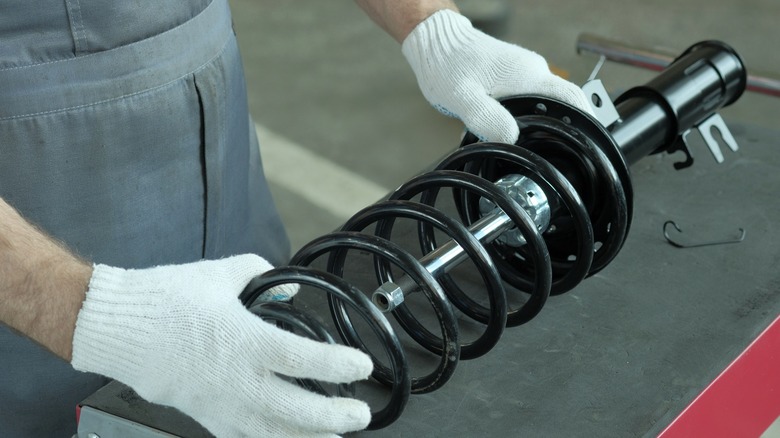
Shocks Struts & Replacement: Complete Guide to Suspension Safety and Performance
Your vehicle’s suspension system plays a crucial role in providing a smooth, stable, and safe driving experience. Among the most important components of this system are shocks and struts. Over time, these parts wear out and lose their ability to absorb road impact effectively. That’s why Shocks Struts & Replacement services are essential for maintaining vehicle stability, safety, and ride comfort.
If your car feels bouncy, unstable, or difficult to control, worn suspension components could be the reason. Professional Shocks Struts & Replacement ensures that your vehicle maintains proper road contact, improves handling, and delivers a comfortable ride.
In this complete guide, we’ll explore how shocks and struts work, signs they need replacement, the benefits of professional , and why regular maintenance is vital for your vehicle.
Understanding Shocks and Struts
Before discussing replacement services, it’s important to understand what shocks and struts actually do and how they differ.
What Are Shock Absorbers?
Shock absorbers, commonly known as shocks, are hydraulic devices designed to control the movement of your vehicle’s suspension. They absorb the energy created when your vehicle travels over bumps, potholes, or uneven roads.
Without functioning shocks, your vehicle would bounce excessively after hitting a bump, making driving uncomfortable and unsafe.
What Are Struts?
Struts are structural components of the suspension system. They combine the function of a shock absorber with additional support for the vehicle’s suspension and steering.
Unlike shocks, struts are a key structural part of the suspension system and help maintain wheel alignment.
Because both components work together, services are often performed simultaneously to maintain balanced suspension performance.
Why Shocks Struts & Replacement Is Important
Worn shocks and struts can significantly affect your vehicle’s safety and performance.
Here are several reasons why is necessary:
Improved Vehicle Control
Healthy shocks and struts help maintain tire contact with the road, ensuring better control during turns, braking, and acceleration.
Enhanced Safety
Damaged suspension components can increase stopping distance and reduce steering stability.
Comfortable Ride
New shocks and struts absorb road impact, providing a smoother driving experience.
Reduced Tire Wear
Proper suspension helps distribute weight evenly across tires, preventing uneven tire wear.
Protection for Other Components
Worn suspension parts can place extra stress on steering, brakes, and tires.
Regular helps maintain the overall health of your vehicle.
Signs You Need Shocks Struts & Replacement
Your vehicle will often show clear warning signs when suspension components begin to fail.
Excessive Bouncing
If your car continues bouncing after hitting a bump, your shocks or struts may be worn out.
Poor Steering Control
Difficulty steering or reduced responsiveness can indicate suspension problems.
Nose Diving While Braking
If the front of your car dips forward when braking, worn shocks or struts may be the cause.
Uneven Tire Wear
Uneven tire wear patterns often result from suspension issues.
Leaking Fluid
Visible fluid leaks from shocks or struts indicate internal damage.
Clunking or Knocking Sounds
Unusual suspension noises when driving over bumps can signal worn components.
If you notice any of these symptoms, scheduling services is highly recommended.
How Shocks Struts & Replacement Works
Professional suspension service involves several steps to ensure proper installation and performance.
Suspension Inspection
Technicians inspect shocks, struts, springs, mounts, and other suspension components.
Removing Old Components
Worn shocks or struts are carefully removed from the suspension system.
Installing New Parts
High-quality replacement shocks or struts are installed according to manufacturer specifications.
Wheel Alignment
After installation, technicians perform wheel alignment to ensure proper handling and tire wear.
Road Testing
The vehicle is tested to confirm improved ride quality and suspension performance.
This complete process ensures effective and optimal driving safety.
Types of Shocks and Struts
Different vehicles require different types of suspension components.
Hydraulic Shock Absorbers
These are traditional shocks that use hydraulic fluid to absorb road impact.
Gas-Charged Shocks
Gas-filled shocks provide improved performance and quicker response.
Heavy-Duty Shocks
Designed for trucks and SUVs, heavy-duty shocks handle heavier loads and rough roads.
Performance Struts
These provide enhanced stability and handling for sports vehicles.
Professional technicians select the appropriate components during to match your vehicle’s needs.
When Should You Replace Shocks and Struts?
Most manufacturers recommend inspecting shocks and struts every 50,000 kilometers and replacing them between 80,000 and 100,000 kilometers.
However, several factors can shorten their lifespan:
- Driving on rough roads
- Frequent heavy loads
- Aggressive driving
- Exposure to extreme weather conditions
Regular inspection ensures timely before serious suspension issues occur.
Benefits of Professional Shocks Struts & Replacement
Choosing professional suspension service provides several advantages.
Accurate Diagnosis
Experienced technicians identify suspension issues quickly.
Proper Installation
Correct installation ensures maximum performance and safety.
High-Quality Parts
Professional repair shops use durable and reliable replacement components.
Improved Ride Comfort
New shocks and struts provide smoother handling and stability.
Long-Term Cost Savings
Replacing worn suspension parts early prevents costly repairs later.
How Worn Shocks and Struts Affect Vehicle Performance
Ignoring suspension problems can lead to several performance issues.
Reduced Braking Efficiency
Worn suspension components increase stopping distance.
Poor Handling
Your vehicle may feel unstable or difficult to control during turns.
Increased Tire Wear
Uneven tire wear shortens tire lifespan and increases replacement costs.
Driver Fatigue
Rough rides caused by worn suspension components make long drives uncomfortable.
Regular helps maintain optimal driving performance.
Tips to Extend the Life of Shocks and Struts
While suspension components eventually wear out, proper driving habits can extend their lifespan.
Helpful tips include:
- Avoid potholes and rough roads when possible
- Reduce speed on uneven surfaces
- Avoid overloading your vehicle
- Maintain proper tire pressure
- Schedule regular suspension inspections
Following these practices reduces stress on suspension components and delays the need for.
Cost of Shocks Struts & Replacement
The cost of varies depending on several factors:
- Vehicle make and model
- Type of shocks or struts used
- Labor costs
- Additional suspension repairs
- Wheel alignment requirements
Although replacement may seem expensive initially, it improves safety and prevents further damage to the suspension system.
Importance of Wheel Alignment After Replacement
After installing new shocks or struts, wheel alignment is usually necessary.
Proper alignment ensures:
- Even tire wear
- Straight steering
- Improved fuel efficiency
- Better vehicle handling
Without alignment, even new suspension components may not perform correctly.
Why Regular Suspension Maintenance Matters
Routine suspension inspections help detect problems early and maintain safe driving conditions.
Experts recommend checking suspension components during routine vehicle service visits. Early detection allows timely preventing more extensive repairs.
Choosing the Right Suspension Repair Service
Selecting a reliable repair shop ensures quality results and long-term performance.
When choosing a service provider, look for:
- Certified and experienced technicians
- Positive customer reviews
- Quality replacement parts
- Transparent pricing
- Warranty on repairs
A professional repair center will perform accurate and ensure your vehicle is road-ready.
Conclusion
Your vehicle’s suspension system is essential for safety, stability, and comfort. Worn shocks and struts can lead to poor handling, increased braking distance, and an uncomfortable ride.
Regular inspection and timely services help maintain proper suspension performance and ensure a safe driving experience. By addressing suspension issues early and relying on professional technicians, you can extend the lifespan of your vehicle and enjoy smoother rides for years to come.
Investing in not only improves ride comfort but also protects other critical vehicle components. Keeping your suspension system in top condition ensures maximum control, stability, and safety every time you hit the road.