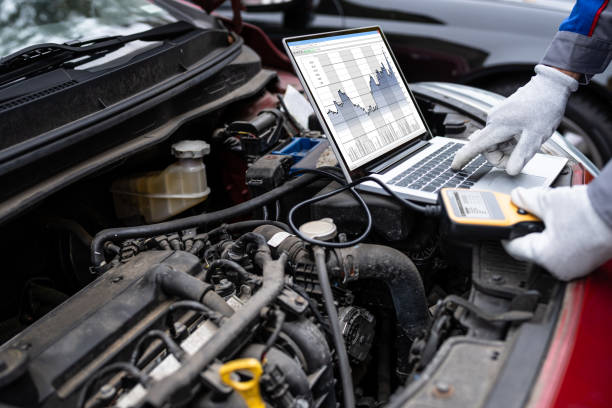
System Diagnosis & Repair: Complete Guide to Accurate Vehicle Problem Detection
Modern vehicles rely on advanced electronic systems and computerized components to operate efficiently. When something goes wrong, identifying the exact issue can be challenging without the proper tools and expertise. This is where System Diagnosis & Repair becomes essential. Professional diagnostic services help detect problems quickly, ensuring that the correct repairs are performed to restore your vehicle’s performance and safety.
Vehicles today are equipped with sophisticated sensors, onboard computers, and integrated systems that monitor everything from engine performance to safety features. When a malfunction occurs, accurate System Diagnosis & Repair ensures that the root cause of the problem is identified and fixed properly.
In this guide, we will explore the importance of how diagnostic processes work, common issues detected through system diagnostics, and why professional repair services are critical for maintaining your vehicle’s reliability.
What Is System Diagnosis & Repair?
refers to the process of identifying mechanical or electronic problems in a vehicle using advanced diagnostic tools and professional expertise. Once the issue is identified, technicians perform the necessary repairs to restore the system to proper working condition.
Unlike traditional troubleshooting methods, modern diagnostics rely heavily on computerized systems that analyze vehicle performance and detect faults.
Typical services include:
- Engine diagnostics
- Electrical system testing
- Computerized fault code scanning
- Transmission diagnostics
- Sensor testing
- Emission system diagnostics
- Fuel system analysis
These services help technicians quickly pinpoint issues that might otherwise be difficult to detect.
Why System Diagnosis & Repair Is Important
Proper vehicle diagnostics play a crucial role in maintaining vehicle health and performance. Ignoring warning signs or delaying diagnostics can lead to more serious mechanical failures.
Here are several reasons why is essential:
Accurate Problem Identification
Modern vehicles have complex systems. Diagnostic tools allow technicians to accurately determine the source of a problem.
Preventing Major Repairs
Early detection of issues prevents minor problems from becoming major mechanical failures.
Improved Vehicle Performance
Proper diagnostics and repairs restore optimal engine performance and fuel efficiency.
Increased Safety
Faulty vehicle systems can compromise safety features such as brakes, airbags, and stability control.
Reduced Repair Costs
Identifying the root cause of a problem avoids unnecessary parts replacement and reduces repair expenses.
Regular ensures that your vehicle operates safely and efficiently.
How System Diagnosis & Repair Works
Professional diagnostic services follow a systematic process to identify and resolve vehicle problems.
Initial Inspection
Technicians begin with a visual inspection to identify any obvious signs of damage or wear.
Diagnostic Scanner Connection
A diagnostic scanner is connected to the vehicle’s onboard computer system to retrieve fault codes.
Fault Code Analysis
The system provides diagnostic trouble codes (DTCs) that indicate which components may be malfunctioning.
Component Testing
Technicians perform additional tests on sensors, electrical circuits, and mechanical parts to confirm the problem.
Repair or Replacement
Once the issue is identified, the necessary repair or replacement is performed.
System Reset and Testing
After repairs, the system is reset and tested to ensure proper operation.
This structured approach ensures accurate and reliable vehicle performance.
Common Problems Detected Through System Diagnosis
Diagnostic tools can identify a wide range of vehicle issues.
Engine Problems
Engine diagnostics can detect problems such as:
- Misfiring cylinders
- Fuel system malfunctions
- Faulty spark plugs
- Air intake issues
Proper ensures the engine runs smoothly and efficiently.
Transmission Issues
Transmission diagnostics identify problems that affect gear shifting and power delivery.
Common transmission problems include:
- Delayed gear shifting
- Transmission fluid issues
- Sensor failures
- Gear slipping
Timely prevents serious transmission damage.
Electrical System Failures
Modern vehicles rely heavily on electrical systems.
Diagnostic services can detect problems such as:
- Battery failures
- Faulty wiring
- Alternator issues
- Sensor malfunctions
Electrical system repairs ensure reliable vehicle operation.
Fuel System Problems
Fuel system diagnostics detect issues that affect fuel delivery and combustion efficiency.
These may include:
- Clogged fuel injectors
- Fuel pump failures
- Pressure regulator issues
Proper restores fuel efficiency and engine performance.
Emission System Issues
Emission control systems help reduce harmful exhaust gases.
Diagnostics can detect problems in components such as:
- Oxygen sensors
- Catalytic converters
- Exhaust gas recirculation systems
Repairing these components helps ensure compliance with environmental standards.
Signs Your Vehicle Needs System Diagnosis & Repair
Vehicles often display warning signs when something goes wrong.
Common indicators include:
Check Engine Light
The most common signal that is needed is the check engine light appearing on the dashboard.
Poor Fuel Efficiency
A sudden drop in fuel efficiency may indicate engine or fuel system issues.
Rough Engine Performance
If your engine runs rough, stalls, or misfires, diagnostics are necessary.
Unusual Noises
Strange noises from the engine or transmission may signal mechanical problems.
Difficulty Starting the Vehicle
Starting issues can indicate battery, electrical, or fuel system problems.
Addressing these symptoms early helps prevent more serious damage.
Benefits of Professional System Diagnosis & Repair
Choosing professional diagnostics provides several advantages.
Advanced Diagnostic Equipment
Professional repair shops use modern diagnostic tools capable of analyzing complex vehicle systems.
Experienced Technicians
Certified technicians have the knowledge to interpret diagnostic codes accurately.
Efficient Repairs
Accurate diagnostics reduce guesswork and ensure efficient repairs.
Improved Vehicle Reliability
Proper repairs restore vehicle performance and prevent recurring problems.
Professional ensures that your vehicle receives the correct service.
How Technology Has Improved System Diagnosis
Vehicle technology has advanced significantly in recent years.
Modern cars include dozens of electronic control units (ECUs) that manage various systems, including:
- Engine performance
- Transmission control
- Safety systems
- Climate control
Advanced diagnostic software allows technicians to analyze these systems quickly and accurately. This technology has made System Diagnosis & Repair faster and more reliable than ever before.
Preventive Maintenance and Diagnostics
Routine diagnostics are an important part of preventative vehicle maintenance.
Regular services help detect hidden problems before they cause breakdowns. Many repair shops recommend diagnostic inspections during routine maintenance visits.
Preventive diagnostics can identify issues such as:
- Sensor failures
- Electrical problems
- Software errors
- Early mechanical wear
By detecting these issues early, drivers can avoid costly repairs and unexpected vehicle failures.
Cost of System Diagnosis & Repair
The cost of varies depending on several factors.
These include:
- Type of diagnostic equipment used
- Complexity of the vehicle system
- Labor charges
- Parts required for repairs
Although diagnostic services involve an initial cost, they often save money by preventing unnecessary repairs and identifying problems quickly.
Choosing the Right Repair Shop
Selecting a reliable repair center ensures accurate diagnostics and quality repairs.
When choosing a service provider, consider the following:
- Certified and experienced technicians
- Advanced diagnostic equipment
- Positive customer reviews
- Transparent pricing
- Warranty on repairs
A professional repair shop will provide dependable services that keep your vehicle operating safely.
Tips to Prevent Vehicle System Failures
While diagnostics are important, proper vehicle care can help reduce the likelihood of system failures.
Follow these tips:
- Perform regular vehicle maintenance
- Replace worn components promptly
- Monitor dashboard warning lights
- Keep battery terminals clean
- Use high-quality fuel and engine oil
These habits help maintain system performance and reduce the need for extensive repairs.
The Future of Vehicle Diagnostics
As automotive technology continues to evolve will become even more advanced. Modern vehicles are increasingly connected and equipped with intelligent systems that monitor performance in real time.
Future diagnostic technologies may include:
- Remote vehicle diagnostics
- AI-powered fault detection
- Predictive maintenance systems
- Cloud-based vehicle monitoring
These innovations will help technicians detect and resolve problems even faster, improving vehicle reliability and safety.
Conclusion
Modern vehicles depend on complex systems that require precise diagnostics and professional repair. services ensure that vehicle problems are accurately identified and fixed before they cause serious damage.
From engine performance issues to electrical system failures, professional diagnostics help maintain vehicle safety, efficiency, and reliability. Regular diagnostic checks allow technicians to detect hidden problems early, preventing costly repairs and unexpected breakdowns.
By investing in professional vehicle owners can enjoy smoother driving, improved performance, and long-term vehicle reliability. Routine diagnostics and timely repairs ensure that every system in your vehicle functions properly, providing peace of mind on every journey.