Brake Repair Pads & Rotors: Complete Guide to Safe and Reliable Braking
Your vehicle’s braking system is one of the most critical safety components on the road. When it comes to maintaining safe driving performance, Brake Repair Pads & Rotors play a vital role. Worn brake pads or damaged rotors can significantly reduce your stopping power, increase braking distance, and even put your safety at risk.
Regular inspection and timely Brake Repair Pads & Rotors services ensure your vehicle performs safely and efficiently in all driving conditions. Whether you drive in heavy city traffic, on highways, or on rough roads, properly functioning brake pads and rotors are essential for smooth and reliable braking.
This comprehensive guide will help you understand how brake pads and rotors work, the signs they need repair, why regular maintenance matters, and how professional services can extend the life of your braking system.
Understanding Brake Pads and Rotors
Before discussing repair services, it’s important to understand what brake pads and rotors actually do.
Brake Pads
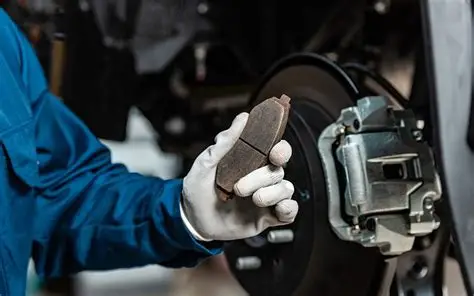
Brake pads are flat components made of friction material that press against the brake rotors when you apply the brakes. This friction slows down and stops your vehicle.
Over time, brake pads naturally wear down due to constant friction and heat. If they become too thin, they lose their effectiveness and must be replaced.
Brake Rotors
Brake rotors (also called brake discs) are metal discs attached to your wheels. When you press the brake pedal, the brake pads clamp down on these rotors to create the friction needed to stop the vehicle.
Rotors can wear out, warp due to heat, or develop grooves over time. When this happens, services become necessary to restore proper braking performance.
Why Brake Repair Pads & Rotors Are Important
Your braking system directly affects your ability to control your vehicle. Ignoring worn pads or damaged rotors can lead to serious safety issues.
Here are some key reasons why services are essential:
1. Improved Safety
Faulty brakes increase the risk of accidents. Regular brake repairs ensure your vehicle stops quickly and safely.
2. Better Vehicle Performance
Smooth and responsive braking improves overall driving experience and vehicle control.
3. Prevents Costly Damage
Replacing brake pads on time prevents damage to rotors and other brake components.
4. Longer Brake System Life
Routine maintenance helps extend the lifespan of your entire braking system.
5. Reduced Repair Costs
Early detection of brake issues saves money compared to major brake system repairs later.
Signs You Need Brake Repair
Your vehicle usually gives clear warning signs when the brake pads or rotors need attention.
Squeaking or Squealing Noise
One of the most common signs is a high-pitched squealing noise when braking. This typically indicates worn brake pads.
Grinding Sound
If you hear grinding when applying the brakes, the pads may be completely worn out and metal parts could be rubbing against the rotor.
Vibrations While Braking
A vibrating or pulsating brake pedal often indicates warped rotors.
Longer Stopping Distance
If your car takes longer to stop, worn pads or rotors may be reducing braking efficiency.
Brake Warning Light
Modern vehicles have dashboard indicators that alert you when brake components need attention.
Visible Wear
If brake pads appear thin or rotors show deep grooves, it’s time for services.
How Brake Repair Pads & Rotors Work
Professional brake repair involves a thorough inspection and servicing of multiple components.
Brake Inspection
A technician checks brake pads, rotors, calipers, brake fluid levels, and other system components.
Brake Pad Replacement
Worn brake pads are removed and replaced with high-quality new pads designed for your vehicle.
Rotor Resurfacing or Replacement
Depending on their condition, rotors may be resurfaced (machined) or replaced entirely.
System Testing
After repair, technicians test the braking system to ensure smooth and effective performance.
This process restores the vehicle’s stopping power and ensures safe driving.
Types of Brake Pads Used in Repairs
Different types of brake pads are available for services.
Organic Brake Pads
These are softer and quieter but wear out faster.
Semi-Metallic Brake Pads
Made from metal fibers, they offer durability and better heat resistance.
Ceramic Brake Pads
Ceramic pads are long-lasting, quiet, and produce less brake dust.
The best choice depends on your driving habits, vehicle type, and performance needs.
When Should You Replace Brake Pads & Rotors?
Brake pads usually last between 30,000 and 70,000 kilometers, depending on driving conditions and habits.
Rotors typically last longer but may require replacement after 70,000 to 100,000 kilometers.
However, frequent city driving, heavy braking, or mountainous roads can cause faster wear. Regular inspections help determine the right time.
Benefits of Professional Brake Repair Pads & Rotors Services
Professional repair services offer several advantages over DIY solutions.
Expert Diagnosis
Certified technicians can quickly identify brake problems and recommend the right solution.
Proper Tools & Equipment
Professional shops use advanced tools to ensure precise repairs.
High-Quality Parts
Quality brake pads and rotors improve durability and safety.
Warranty Protection
Many brake repair services include warranties on parts and labor.
Time Efficiency
Professional mechanics complete brake repairs quickly and efficiently.
How Driving Habits Affect Brake Pads & Rotors
Your driving style has a major impact on brake wear.
Frequent Hard Braking
Aggressive braking generates excessive heat and wears pads quickly.
Heavy Traffic Driving
Constant stopping and starting increase brake usage.
Carrying Heavy Loads
Extra weight forces the braking system to work harder.
Driving in Mountains
Frequent downhill braking accelerates rotor and pad wear.
Practicing smooth and controlled braking helps extend the life of your.
Tips to Extend Brake Pad and Rotor Life
Proper maintenance can significantly extend brake component life.
Follow these tips:
- Avoid sudden or aggressive braking
- Maintain a safe following distance
- Reduce vehicle load when possible
- Schedule regular brake inspections
- Replace brake pads before they become too thin
- Keep brake fluid clean and at proper levels
These simple habits reduce wear and keep your braking system functioning efficiently.
Cost of Brake Repair Pads & Rotors
The cost of depends on several factors:
- Vehicle make and model
- Type of brake pads used
- Condition of rotors
- Labor charges
- Location of service center
On average, brake pad replacement is relatively affordable, while rotor replacement may increase the overall cost. However, timely repairs prevent more expensive issues later.
Importance of Regular Brake Inspections
Brake inspections should be part of routine vehicle maintenance. Experts recommend checking the braking system every 10,000 to 15,000 kilometers or during regular service intervals.
Regular inspections allow mechanics to detect wear early and recommend before problems become serious.
Choosing the Right Brake Repair Service
Selecting the right repair shop ensures quality service and reliable results.
Look for these factors:
- Experienced technicians
- Positive customer reviews
- Quality replacement parts
- Transparent pricing
- Service warranties
A trusted mechanic ensures your are installed correctly and function safely.
The Role of Brake Fluid in Brake Performance
Brake fluid plays an important role in the braking system. It transfers force from the brake pedal to the braking components.
Old or contaminated brake fluid can reduce braking performance and increase wear on pads and rotors. During services, technicians often inspect and replace brake fluid if needed.
Environmental Impact of Brake Maintenance
Proper brake maintenance not only improves safety but also reduces environmental impact. Worn brake pads produce brake dust, which contributes to air pollution.
Replacing pads and rotors on time minimizes dust and ensures cleaner vehicle operation.
Conclusion
Your vehicle’s braking system is essential for safe driving, and maintaining it should never be overlooked. Regular services help ensure your car stops efficiently, prevents costly damage, and keeps you and your passengers safe on the road.
By recognizing early warning signs, scheduling routine inspections, and choosing professional repair services, you can maintain a reliable braking system for years to come. Investing in timely maintenance not only protects your vehicle but also provides peace of mind every time you get behind the wheel.